












Autism Funding Services in British Columbia
Last reviewed: August 22, 2026
Navigating autism funding services can feel overwhelming for many families, especially when program requirements, application steps and eligible expenses are changing. In British Columbia, the current Autism Funding Program helps eligible families pay for approved services, supports, training and certain equipment. However, the Province has announced that the current program will end on March 31, 2027. Until then, families can continue using their approved funding, and new applications will be accepted until March 2027. The official BC Autism Funding website should always be used to confirm current requirements before applying or committing to an expense.
The current autism funding program in British Columbia gives families some flexibility to select eligible services that support communication, social-emotional development, daily living, learning and independence. Funding generally applies to services and resources delivered outside the regular school day, while school-based supports are funded separately through the education system. Beginning April 1, 2027, the current program will be replaced by the new BC Children and Youth Disability Benefit, which will determine eligibility primarily through the nature, intensity and persistence of a child or youth’s support needs rather than an autism diagnosis alone.
Autism Funding in British Columbia: What You Need to Know
Under the current BC Autism Funding Program, eligible children under age six may receive up to $22,000 per year. Eligible children and youth ages six to 18 may receive up to $6,000 per year. The Province lists eligible services such as support from behaviour professionals, speech-language pathologists, occupational therapists, physical therapists and supervised behaviour interventionists, along with certain family counselling, social-skills, life-skills and out-of-school learning supports. These are maximum amounts, and a child’s final funding period may be prorated so that it ends on March 31, 2027. Families should review the Province’s current funding amounts and eligible-service categories before planning services.
The BC autism funding application process changed on April 8, 2026. Families applying under the current program must complete the official Autism Funding application and provide the required supporting documents, including diagnostic documentation that meets BC requirements. Applications can be submitted online using a Basic BCeID. Alternatively, families can complete the PDF application and email it with the supporting documents to mcf.autismfundingintake@gov.bc.ca or submit it through a local Children and Youth with Support Needs office. If your child has not yet received a recognized diagnosis, learning about a comprehensive autism assessment may be an appropriate first step. After eligibility is confirmed, the parent or guardian must sign and return the funding agreement. Families can then use My Family Services to check their balance, set up providers, request equipment, submit eligible expenses and communicate with the Autism Funding team. Full instructions are available on the Province’s Autism Funding application page.

Autism Individualized Funding: Tailored Support for Families
Individualized autism funding gives families the ability to select eligible services and providers that align with their child’s individual strengths, needs and developmental goals. However, the rules are not the same for every age group. For children under six, most funded intervention services must be delivered by a professional listed on the Registry of Autism Service Providers, or by a behaviour interventionist supervised by a RASP professional. For children and youth ages six to 18, the Province permits a broader range of qualified professionals and approved programs. Families should confirm the provider category and payment requirements before services begin by reviewing the official guidance on choosing eligible autism service providers.
Families may use Autism Funding for approved services and, within applicable limits, certain training, travel, equipment and supplies that support their child’s developmental goals. During the final transition period, the Province has increased the allowable portion for travel, training and equipment from 20% to 50%, although the available dollar amount can still depend on the child’s prorated funding agreement. Equipment is not automatically eligible simply because it is described as therapeutic, sensory or autism-related. Some purchases require a Justification for Equipment and Supplies form and written approval before purchase. Families should review the current equipment and supplies requirements and confirm approval through My Family Services before buying an item.

Government Assistance for Autism in BC: Additional Support Options
In addition to the current Autism Funding Program, some families may be eligible for separate provincial or federal supports. Respite and family-support services continue to be available through Children and Youth with Support Needs, but they have their own eligibility processes and are not automatically provided with an autism diagnosis. The federal Disability Tax Credit is a non-refundable tax credit that may reduce the income tax payable by an eligible person or supporting family member; it is not a direct therapy or equipment budget. Families may also be able to claim certain eligible medical expenses, but private assessments, educational programs and autism-related purchases should not automatically be described as tax-deductible. Eligibility depends on the specific expense and the family’s circumstances, so families should consult the CRA’s eligible medical expenses guidance or a qualified tax professional.
Community organizations and non-profits can also help families understand available services, connect with peer communities and find educational resources. Organizations such as AutismBC provide information, community connections, workshops and navigation resources, although the availability of grants or subsidized programs should be confirmed directly rather than assumed. All Brains’ Resource Liaison service can help families interpret assessment recommendations, organize questions, identify relevant services and understand the practical next steps after an assessment. Government agencies remain responsible for deciding program eligibility, approving expenses and determining funding amounts.

All Brains’ Resource Liaison Services: Navigating Autism Funding with Ease
At All Brains, we understand how overwhelming it can feel to navigate services and funding after receiving an autism diagnosis for your child, particularly while British Columbia is transitioning to a new support system. Families may have questions about their assessment report, which documents to keep, how to communicate with the Ministry and which clinical or community services may be relevant. Our liaison team helps families understand their available options and organize their next steps, so they do not have to work through every part of the process alone.
We work with families to review assessment results, explain recommendations in plain language and identify practical next steps. This may include helping families organize existing reports, prepare questions about funding, understand official application resources and connect with appropriate therapy, educational or community supports. Our role is to provide guidance and navigation; the Ministry of Children and Family Development makes all eligibility, funding and reimbursement decisions. All Brains Clinic cannot guarantee that a child will qualify for a particular program, funding tier or expense approval.

Moving Forward: Empowering Families Through Autism Funding Services
Families can continue accessing the current Autism Funding Program until March 31, 2027, and new eligible families can still apply until March 2027. All approved services funded through the current program must be delivered by March 31, 2027, with final eligible invoices and reimbursement requests due by September 30, 2027. From April 1, 2027, eligible children and youth may receive either $6,500 or $17,000 per year through the new BC Children and Youth Disability Benefit, depending on the intensity and persistence of their support needs. Not every child currently receiving Autism Funding will qualify for this Benefit, because eligibility will be based on functional support needs rather than an autism diagnosis alone.
Families currently receiving Autism Funding should monitor Ministry communications and submit the requested information for the Disability Benefit review. The Province says families are not required to obtain a new assessment solely for this transition; existing diagnostic, psychological, psychoeducational, speech-language, occupational therapy, medical, behavioural and school reports may be submitted if they help describe the child’s day-to-day and long-term support needs. Beginning in July 2027, eligible families may automatically receive up to $6,000 per year for each eligible child through the new BC Children and Youth Disability Supplement. Eligibility depends on federal Disability Tax Credit approval, household income and annual tax filing. Payments will be issued monthly with the Canada Child Benefit, so families should also ensure that their child is registered for the Canada Child Benefit. For questions about current funding, families can contact the Autism Funding Unit at 1-877-777-3530 or MCF.AutismFundingUnit@gov.bc.ca. Families seeking help understanding assessment results or planning their next steps can also contact All Brains Clinic.
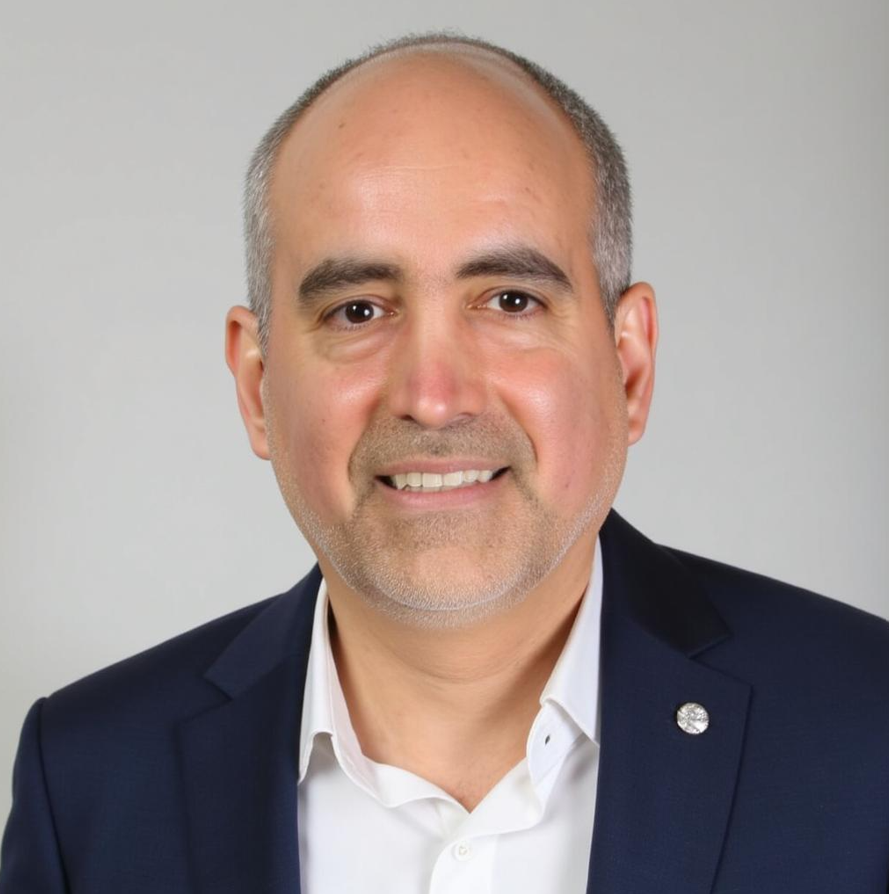
Dr. Ali Eslami, Chief Editor
Dr. Ali Eslami is a child psychiatrist at BC Children’s Hospital and All Brains Clinic with a PhD from Brown University. With expertise in neurodevelopmental disorders, autism assessment, and AI research in mental health, he ensures every article meets the highest standards. His sharp editorial eye guarantees clarity, accuracy, and credibility in all our content.